
The US "Tariff Shock" Strategy: How to Shield Your Tech Portfolio from the 2026 Trade War 2.0
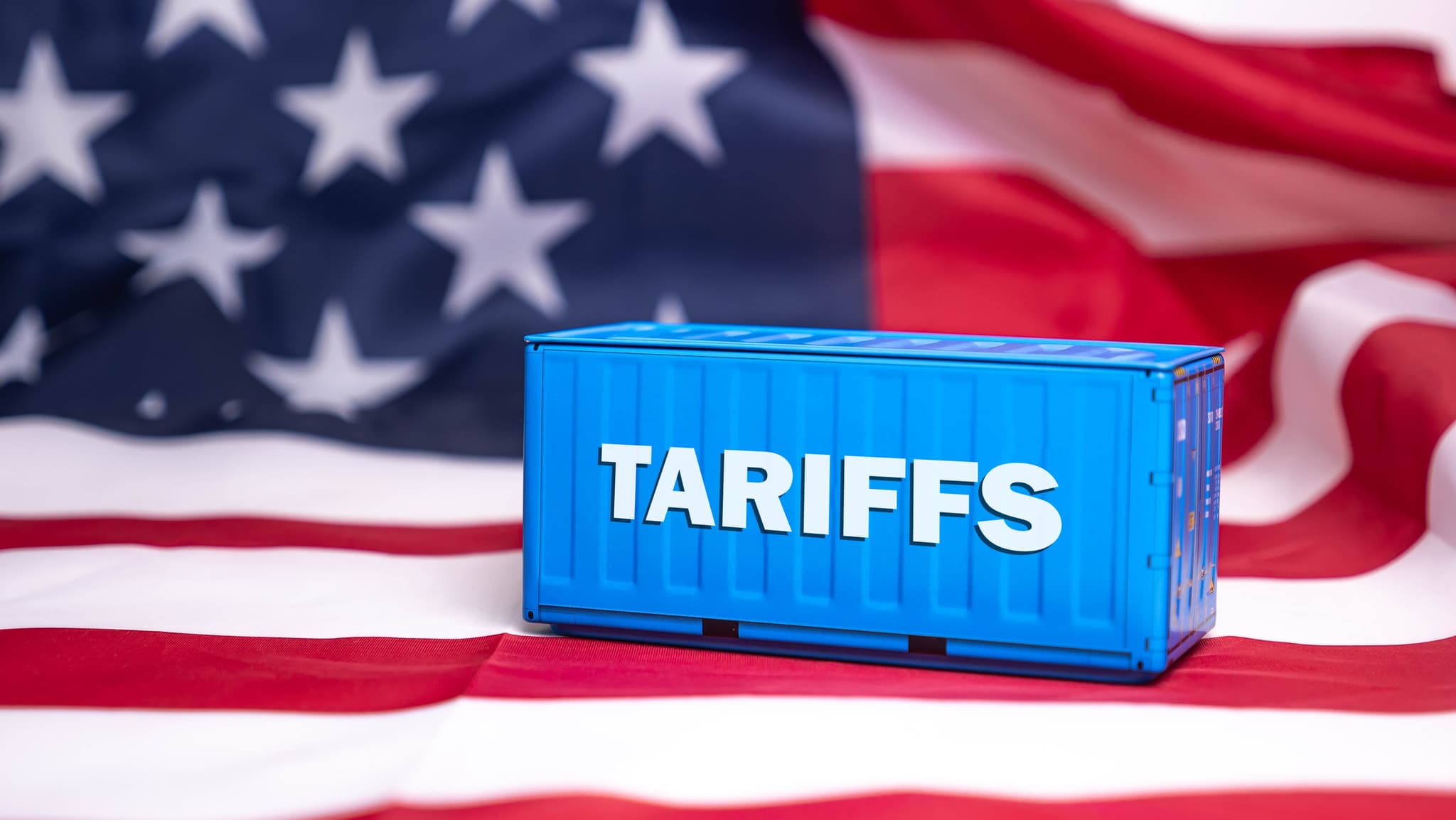
The April 2026 Trade Pivot
If you opened your portfolio this morning, you might have noticed a sea of red across the "Big Tech" names. The reason isn't a bad earnings report or a lack of innovation. Instead, it’s a single phrase echoing from Washington D.C.: The 2026 Tariff Shock Strategy.
As we move through April 2026, the US government has shifted from "targeted restrictions" to "broad-spectrum tariffs" on hardware, semiconductors, and AI-related components. For the average investor, this represents a massive shift in the rules of the game. The "Just-in-Time" global supply chain that made tech so profitable for twenty years is being replaced by a "Just-in-Case" geopolitical reality.
What is the "Tariff Shock" Strategy?
Unlike the gradual trade wars of the past, the 2026 strategy is designed for maximum speed and disruption. The goal is to force companies to "de-couple" from adversarial manufacturing hubs almost overnight.
For companies like Apple, Dell, and even Tesla, this means the cost of components sourced from restricted regions is jumping by 25% to 40% this quarter. Because tech companies operate on high volumes and—in the case of hardware—thinning margins, they face a brutal choice: Raise prices and risk losing customers, or absorb the cost and watch their stock price plummet.
The "Margin Squeeze" Reality
In 2026, we aren't just looking at the price of a finished iPhone or a laptop. We are looking at the Semiconductor Ecosystem. If a US-based chip designer uses a foundry located in a high-tariff zone, that chip is now "taxed" before it even enters a device. This "compounding tariff" effect is why hardware-heavy tech stocks are underperforming compared to the broader market this April.
How to Protect Your Tech Portfolio
At MadeMoneyToday, we don't believe in exiting tech entirely. Tech remains the primary driver of 2026's productivity. However, you must move from "Passive Indexing" to "Active Selection." Here is your 2026 Tariff Protection Playbook:
1. Pivot to "Software-as-a-Service" (SaaS)
Tariffs apply to physical goods, not lines of code. While a physical server might get 30% more expensive, the cloud software running on it doesn't face the same border tax. In a "Tariff Shock" environment, Software and AI-Services are your natural hedges. Their margins are "borderless."
2. Identify the "Resilient Supply Chain" Winners
Not all hardware is created equal. Look for companies that began their "China+1" strategy back in 2022. Companies that have successfully scaled manufacturing in India, Vietnam, or Mexico are the new 2026 aristocrats. They can bypass the tariff walls that are currently trapping their competitors.
3. Watch the "Domestic Capacity" Stocks
The 2026 US trade policy includes massive subsidies for "on-shoring." Companies involved in domestic semiconductor fabrication (the "Fabs") and domestic robotics are receiving billions in government support. These aren't just companies; they are "National Champions."
How MadeMoneyToday (www.mademoneytoday.com) Helps in Guiding
Navigating global trade policy can feel like reading a foreign language. At MadeMoneyToday, we translate the "Washington Speak" into "Wallet Action."
Here is how MadeMoneyToday.com guides you through the Tariff Shock:
- The "Tariff Sensitivity" Index: We’ve developed a proprietary tool that ranks the top 100 Nasdaq stocks based on their supply chain exposure to high-tariff zones. One click tells you if your favorite stock is "High Risk" or "Tariff Protected."
- Global Trade Alerts: When a new tariff is announced at 2:00 AM EST, our subscribers have a human-friendly summary in their inbox by 9:00 AM IST, explaining exactly how it impacts Indian investors holding US ADRs.
- The "Indian Tech" Alternative: We identify Indian IT and manufacturing firms that are actually gaining market share as US companies look for non-restricted partners.
- Options for Protection: For advanced investors, we provide guides on using "Put Options" to hedge their tech holdings during high-volatility trade announcement weeks.
Is this a Structural Shift or a Temporary Dip?
This is a Structural Shift. The 2026 policy is built on a bipartisan consensus in the US that "Economic Security is National Security." This means tariffs aren't likely to go away after the next election cycle.
As an investor, you must stop waiting for a "return to normal." The "New Normal" is a fragmented global market where the location of a factory is just as important as the quality of the product.
Conclusion: From Defense to Offense
The "Tariff Shock" strategy is designed to create winners and losers. By understanding the flow of global trade and the pressure points of the tech supply chain, you can move your portfolio from a position of "Defense" (watching your gains erode) to "Offense" (investing in the companies that will lead the next decade of decentralized manufacturing).
The world is building new walls, but for the "Tax-Smart" investor, every wall is just another opportunity to find a more efficient route to growth.
Join the conversation at MadeMoneyToday and let’s navigate the 2026 Trade War together.
MadeMoneyToday Expert Tip: Check the 'Inventory-to-Sales' ratio of your tech holdings this month. Companies that 'Stockpiled' components before the April 1st tariff reset will have a 3-to-6 month margin advantage over those who didn't. This is your window to exit the laggards and double down on the planners!