
The "Stagflation" Watch 2026: Why Oil-Intensive Economies are Trapped in the Slow-Growth, High-Inflation Cycle
The Return of the "S-Word"
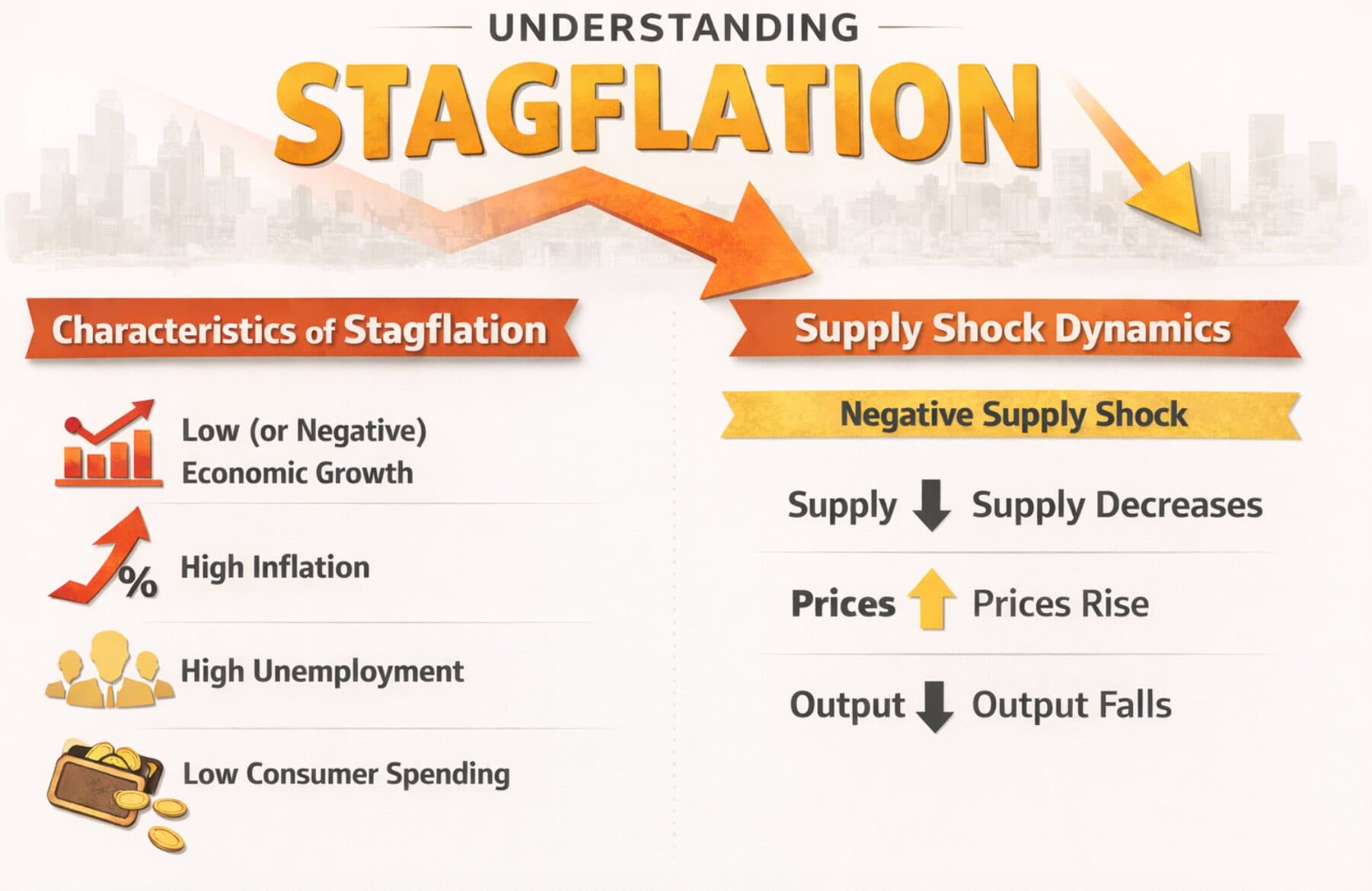
If you have been following the financial news this April 2026, you’ve likely noticed a word making a dreaded comeback: Stagflation. It is the economic equivalent of a "perfect storm"—a rare and painful combination of stagnant economic growth and stubbornly high inflation.
For the last few years, the global conversation was focused on "Soft Landings" and "Disinflation." But the recent escalation in West Asia has shattered that calm. With Brent crude futures jumping toward $115 per barrel, the "inflationary fire" has been reignited just as the "growth engine" has started to sputter. For oil-intensive economies like India, this isn't just an abstract theory; it's a direct hit to the monthly budget and the national balance sheet.
The "Oil Tax" on Emerging Markets
Why is oil so uniquely dangerous in 2026? Because it acts as a "Universal Tax." When crude prices spike, it’s not just the petrol at the pump that gets expensive.
- Logistics & Food: 90% of your groceries are moved by diesel-powered trucks. High oil prices translate directly into Food Inflation.
- Agriculture: Oil is a key input for fertilizers. In early 2026, we are seeing a spike in chemical and fertilizer costs that is putting immense pressure on farmer margins and basmati rice exports.
- Corporate Margins: Manufacturing and auto sectors are feeling a massive squeeze. When input costs rise but consumers are too squeezed to pay higher prices, corporate earnings take a hit.
The IMF's latest World Economic Outlook (April 2026) has already sounded the alarm, cutting global growth projections to 3.1%. For India, which imports nearly 85% of its crude, every $10 rise in oil can add up to 60 basis points to headline inflation.
Why 2026 is Different: The "Trap"
In a normal high-inflation scenario, central banks like the RBI raise interest rates to cool things down. But in a Stagflationary Trap, raising rates further could kill what little growth is left.
As of April 15, 2026, the RBI is walking a tightrope. If they hike rates to fight oil-driven inflation, they risk pushing India’s GDP growth—currently projected at a resilient but slowing 6.5%—even lower. If they don’t hike, the Rupee could weaken further as investors flee to the "Safe Haven" of the US Dollar, making oil imports even more expensive.
The "Structural" vs. "Tactical" View
At MadeMoneyToday, we encourage you not to panic, but to differentiate. Is this a permanent "Structural Breakdown" of the Indian story? No. India’s domestic demand remains robust, and the "Digital Public Infrastructure" continues to drive efficiency. However, it is a Tactical Crisis. Your portfolio cannot remain in "Aggressive Growth" mode when the macro-environment has shifted to "Defensive Preservation."
How MadeMoneyToday (www.mademoneytoday.com) Helps You Navigate
Stagflation is a complex beast, but it doesn't mean you can't grow your wealth. At MadeMoneyToday, we specialize in "Crisis-Proofing" your finances.
Here is how MadeMoneyToday.com guides you through the 2026 Stagflation Watch:
- The "Defensive Stock" Shortlist: While auto and tech might be struggling, sectors like FMCG, Healthcare, and Energy often act as "Stagflation Hedges." We provide a vetted list of companies with strong pricing power—those who can pass on costs to consumers without losing sales.
- Commodity Diversification: In 2026, "Paper Money" is losing purchasing power. Our guides help you move into Gold, Silver, and even Crude Oil ETFs which tend to outpace inflation during these cycles.
- The "Debt-Trap" Audit: With interest rates likely to stay "Higher for Longer," we help our readers audit their personal loans. We provide strategies to prepay high-interest debt now, before the stagflationary squeeze tightens.
- Real-Asset Allocation: As discussed in our popular "Slab vs. Apartment" series, we show you how to use Fractional Real Estate to earn stable rental yields that traditionally move in sync with inflation.
The Investor’s Playbook for Q2 2026
- Maintain Liquidity: In a slow-growth environment, "Cash is King" (temporarily). It gives you the "Dry Powder" to buy quality stocks when they hit their "Valuation Reset" bottoms.
- Avoid "Value Traps": Don't buy a stock just because it's "cheap." In stagflation, some companies stay cheap because their business models cannot survive high energy costs.
- Focus on Dividend Yields: When capital appreciation slows down, the "bird in hand"—regular dividends—becomes your best friend.
Conclusion: Patience is the Best Hedge
The "Stagflation" Watch of 2026 is a test of temperament. The world has survived oil shocks before, and it will survive this one. The key is to stop chasing "Growth at All Costs" and start focusing on "Resilience at Any Cost."
The economies that will emerge strongest are those that use this crisis to accelerate their transition to green energy and ethanol blending—two areas where North India is already making massive strides.
Don't let the headlines dictate your future. Join the community at MadeMoneyToday and let’s turn this economic trap into a strategic opportunity.
MadeMoneyToday Expert Tip: In 2026, keep a close eye on 'Input Cost Inflation' rather than just the CPI. If a company's raw material costs are rising faster than its sales growth for two consecutive quarters, it’s a 'Stagflation Red Flag.' Check our 'Earnings Health Dashboard' on the site to see who’s passing the test!