The Invisible Bank: How Agentic AI and Fintech are Revolutionizing the Soul of Finance in 2026
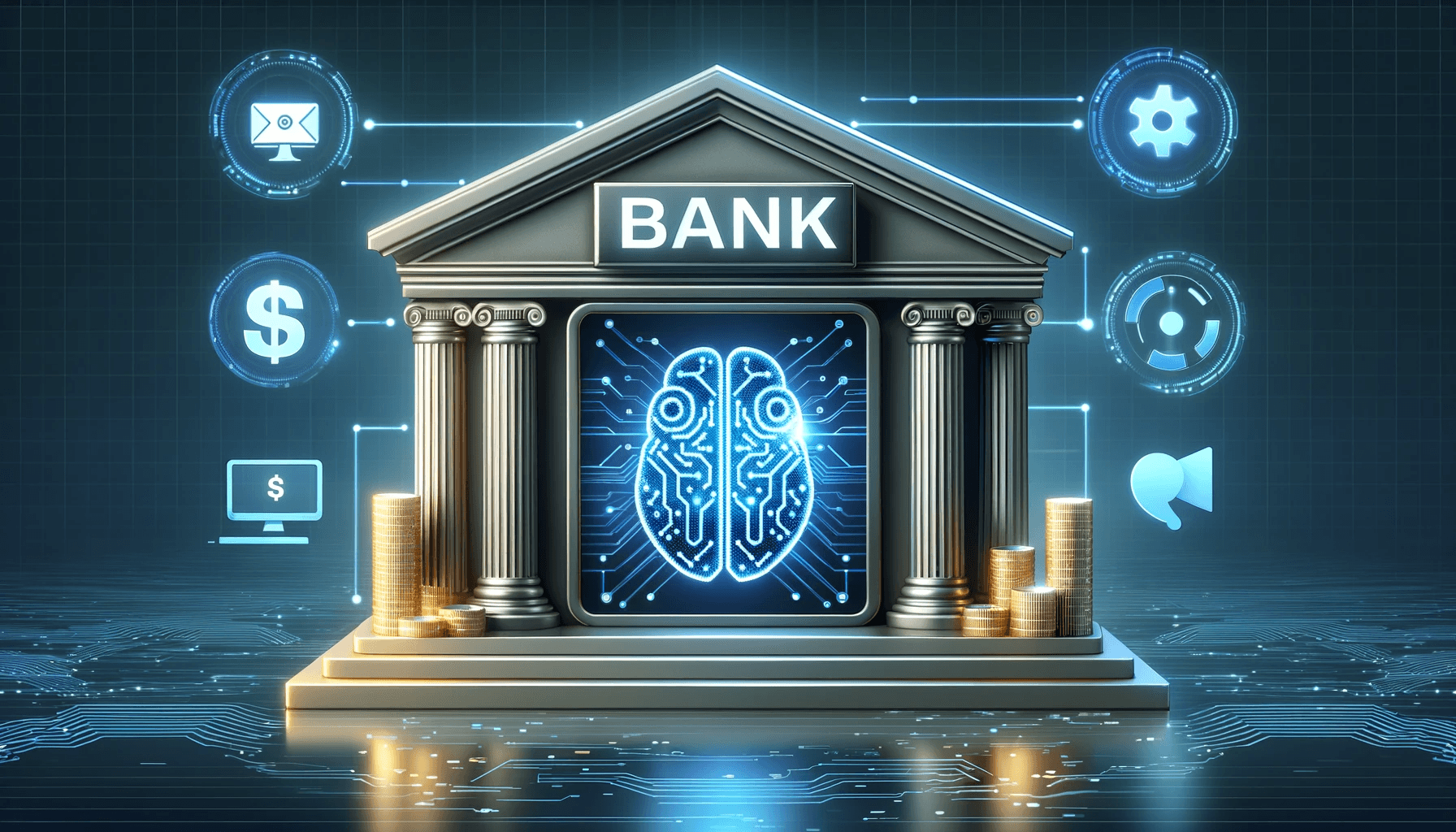
Walking into a bank branch in 2026 feels a bit like visiting a museum. While physical branches still exist as "trust anchors" for complex life events like a first mortgage or estate planning, the vast majority of our financial lives now happen in the "invisible layer."
The transformation of the banking sector isn't just about "going digital"—that happened a decade ago. It’s about the shift from Reactive Banking (where you check an app to see what happened) to Predictive and Autonomous Banking (where the bank acts before you even know there’s a need). This shift is powered by the ultimate power couple: Agentic AI and Agile Fintech.
1. From Chatbots to "Agentic" Financial Partners
In 2024, we had chatbots that could answer basic questions about our balance. In 2026, we have Agentic AI. These are not just LLMs that talk; they are agents that act.
Imagine an AI agent that monitors your cash flow. It notices that your utility bill is 20% higher than usual, identifies a potential leak or inefficient appliance, finds a better insurance rate for your home, and presents you with the "Switch" button—all while you were asleep. This "Financial Wellness" engine is now the standard offering for major banks. They aren't just holding your money; they are actively optimizing it.
2. The Fintech "Symbiosis"
The old narrative of "Fintechs vs. Banks" is dead. In 2026, the relationship is purely symbiotic. Legacy banks have realized they can’t build specialized tools fast enough, and Fintechs have realized that "trust" and "liquidity" are hard to build from scratch.
Today’s leading banks use a Composable Architecture. This means the bank’s core is a "thin" layer, and they "plug in" fintech modules via open APIs for specific tasks:
- Micro-Lending: A fintech module that assesses your "Gig Economy" income to give you a 24-hour credit line.
- ESG Tracking: A module that calculates the carbon footprint of your purchases in real-time.
- Tokenized Assets: Allowing you to sell 1% of your home equity or a fractional share of a gold bar instantly to cover an emergency expense.
3. The End of the "One-Size-Fits-All" Loan
The most human impact of AI in 2026 is the death of the "Credit Score" as we knew it. Traditional scores were backwards-looking and often unfair to freelancers or those in new industries.
AI-driven underwriting now uses Multimodal Data. By looking at your real-time cash flow, professional reputation in digital marketplaces, and even your "financial discipline" (how consistently you pay small bills), banks can offer personalized interest rates. If you’re a high-performing freelance developer, you’re no longer a "high-risk" individual just because you don't have a corporate payslip.
4. Security: The Real-Time Shield
As hackers use AI to create more sophisticated scams, the banking sector has fought back with Real-Time Fraud Orchestration. In 2026, your bank recognizes your "Digital DNA." It knows the rhythm of your typing, the angle at which you hold your phone, and your typical spending locations.
If a transaction feels "off," the Agentic AI doesn't just block the card and leave you stranded. It initiates a video verification or asks a contextual question through your smart glasses or watch, resolving the "fraud alert" in seconds rather than days. This has reduced global e-commerce fraud losses by an estimated 40% this year.
5. The "10x Banker": The New Workforce
What happened to the people? The rise of AI hasn't eliminated the banker; it has created the "10x Banker." Relationship managers now use "AI Observatories" that summarize thousands of pages of market data, legal fine print, and client history into a single dashboard. This allows one human advisor to provide the same level of white-glove, personalized service to 500 clients that used to be reserved for the top 50 high-net-worth individuals. The human is there for the "High-Empathy" moments—the moments when you’re scared, excited, or grieving—while the AI handles the "High-Complexity" math.
Key Pointers: Navigating the 2026 Banking Landscape
If you want to understand where your money is going this year, keep these five pillars in mind:
- Intent is the New Interface: We are moving away from clicking menus. In 2026, you simply state your intent—"I want to save for a trip to Japan by September"—and the bank’s Agentic AI builds the sub-wallets, finds the flight deals, and adjusts your daily spending limits automatically.
- Embedded Finance is Everywhere: You don't "go" to a bank app anymore. Banking is embedded in your car (which pays for its own charging), your fridge (which manages its own grocery budget), and your professional tools.
- Continuous Compliance: For business owners, the "Audit" is a thing of the past. AI agents handle KYC (Know Your Customer) and AML (Anti-Money Laundering) checks in the background of every transaction, making compliance a 24/7, invisible process.
- The Rise of Digital Sovereignty: With the rollout of Central Bank Digital Currencies (CBDCs) in several major blocs, banks are now "Wallets for the State" and "Vaults for the Private." Navigating the line between the two is the major regulatory challenge of 2026.
- Ethical Explainability: Regulations now require "The Right to an Explanation." If an AI denies your loan, the bank must be able to show you exactly why—not in code, but in plain language—and give you a "Roadmap to Approval."
The Bottom Line: Trust in a Machine Age
The transformation of banking with AI and Fintech isn't about replacing humans with machines; it's about removing the friction from being human. In 2026, you shouldn't have to be a math genius to manage your wealth, nor should you have to be a lawyer to understand your loan terms. The symbiosis of AI and Fintech has finally made the financial system "human-centric." The bank of the future isn't a place you go—it’s a partner that walks with you, ensuring that while you focus on living your life, your money is working just as hard as you are.