
The Great Retraction: Navigating the Shift from Global Integration to Economic Nationalism
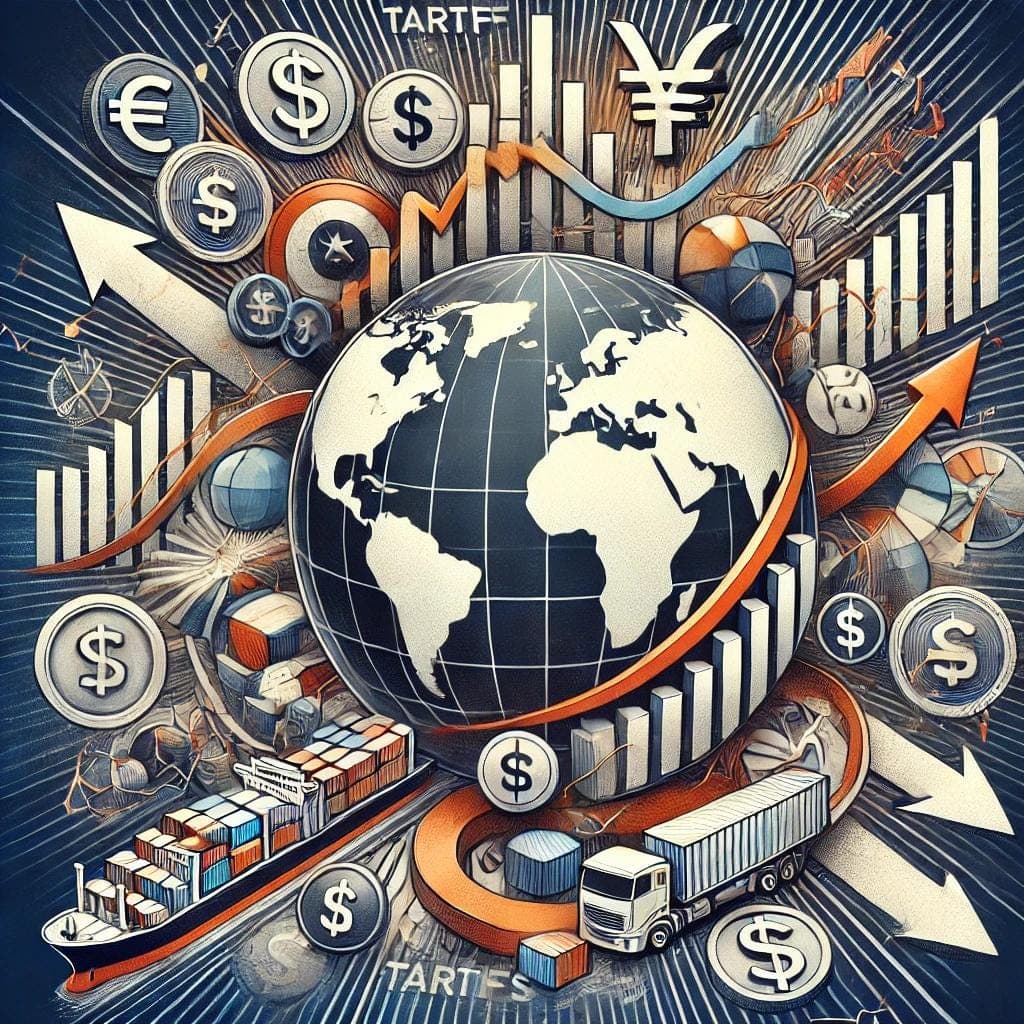
For three decades, the world operated under a single, golden rule: Efficiency above all. If a chip could be designed in California, fabricated in Taiwan, and assembled in Vietnam for five cents less than doing it all in one place, that’s exactly what happened. This was the era of Hyper-Globalization—a time when borders seemed to blur and the "Global Village" felt like a reality.
But as we navigate the turbulent waters of March 2026, that golden rule has been discarded. The "Just-in-Time" world has been replaced by the "Just-in-Case" world. We are witnessing the rise of Economic Nationalism, a movement where nations are prioritizing self-reliance, domestic jobs, and security over the lowest possible price tag.
The Catalyst: Why Globalization Hit a Wall
The shift didn't happen overnight, but the 2026 Middle East conflict and the subsequent blockade of the Strait of Hormuz acted as the final nail in the coffin. When a single regional flare-up can halt 20% of the world’s energy and send a shockwave through every grocery store on the planet, world leaders stop asking "Where is it cheapest?" and start asking "How do we make it here?"
Economic nationalism is the response to a world that feels too fragile. It is the realization that being hyper-connected is a massive strength in peacetime, but a dangerous vulnerability in times of conflict.
The Three Pillars of the New Economic Order
To understand this shift, we need to look at the three main ways nations are pulling back:
1. Reshoring and "Friend-shoring" In 2026, the trend of moving factories back to the home country (Reshoring) is in full swing. For high-tech goods like semiconductors and batteries, Western and Asian giants are spending billions in subsidies to build domestic "Giga-factories." When they can't make it at home, they "Friend-shore"—trading exclusively with a small circle of trusted political allies. The "Global Market" is splitting into "Economic Blocs."
2. The Return of the Tariff Tariffs, once seen as a relic of the past, are now the primary tool of foreign policy. In 2026, we are seeing "Carbon Border Taxes" and "National Security Tariffs" becoming common. These aren't just about taxes; they are about protecting domestic industries from being undercut by cheaper, foreign competitors who don't play by the same rules.
3. Digital Sovereignty Nationalism isn't just about steel and oil; it’s about data. Governments are increasingly demanding that data generated by their citizens stay within their borders. From the "Great Firewall" concepts to localized cloud requirements, the "Splinternet" is becoming a financial reality for tech companies.
Key Pointers: Understanding the Impact on Your Life
How does this tectonic shift actually affect the average person? Here are the critical takeaways:
- The "Cost of Resilience": Globalization made things cheap. Economic nationalism makes things stable, but more expensive. Expect "sticky" inflation as companies pay higher wages for domestic workers and higher prices for local materials.
- The End of "Cheap Everything": The era of the $10 t-shirt and the $500 flagship smartphone may be ending. We are moving toward a "Buy Once, Buy Well" culture, as the cost of importing mass-produced goods rises.
- Job Market Localization: While globalization "exported" manufacturing jobs, economic nationalism is bringing them back. However, these aren't the assembly lines of the 1970s; they are high-tech, AI-driven facilities that require a new set of skills.
- Currency Volatility: As trade blocks harden, currencies like the US Dollar, the Euro, and the Rupee are becoming more volatile. The "linked" nature of global finance is fraying, leading to sharper swings in exchange rates.
The Human Side: Sovereignty vs. Standard of Living
There is a profound human debate at the heart of this movement. On one hand, economic nationalism promises a sense of pride and security. It tells a worker in Ohio or Odisha that their job is protected by the state. It promises that the lights will stay on because the energy is produced locally.
On the other hand, it threatens the standard of living that billions have grown accustomed to. Globalization lifted hundreds of millions out of poverty by connecting them to the world's wealth. If we pull back too far, do we risk stagnation? In 2026, we are finding that "Economic Sovereignty" is a luxury that comes with a very real price tag.
The Winners and Losers of 2026
- The Winners: Domestic manufacturers, automation and robotics firms, local energy producers (Solar, Wind, Nuclear), and countries with large internal markets (like India and the US).
- The Losers: Multi-national corporations with "thin" supply chains, pure-export economies, and consumers who rely heavily on imported luxury and tech.
The Bottom Line: A Fragmented Future
The "End of Globalization" doesn't mean we stop trading entirely. It means we stop trading blindly. We are moving into an era of "Bespoke Globalization," where trade is a strategic choice rather than a default setting.
As we look toward the rest of 2026, the most successful individuals and businesses won't be those trying to resurrect the world of 2015. They will be those who embrace the "Local" reality. Whether it’s diversifying your investment portfolio into domestic private credit or learning the skills needed for a reshored factory, the future belongs to those who can thrive in a fragmented world.
The "Global Village" is putting up fences. Our task now is to figure out how to be good neighbors while maintaining our own backyards.