
The Great Bullion Reset: Gold vs. Silver in the Volatile Market of 2026
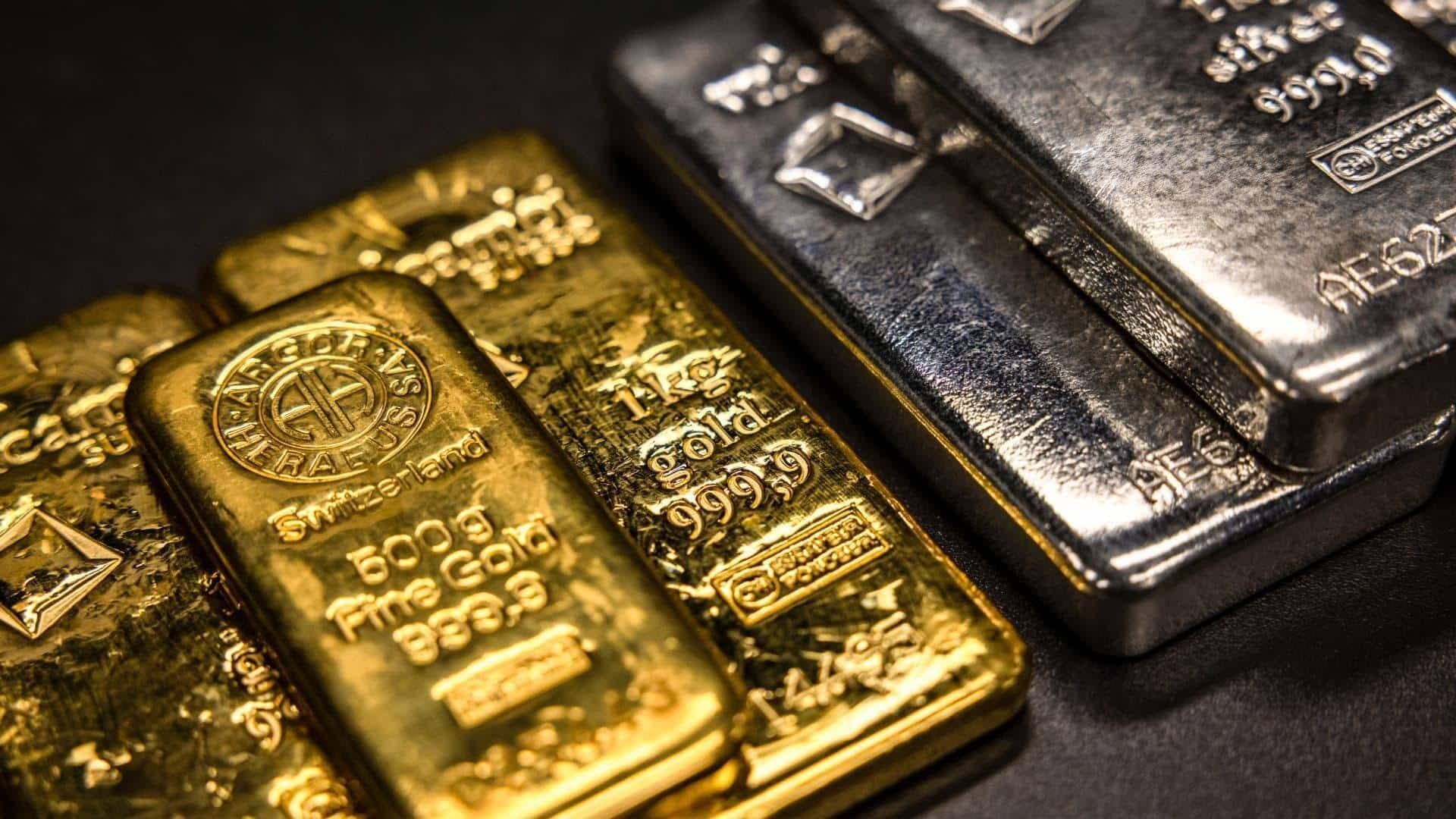
If you’ve glanced at the financial headlines this week, you might have felt a bit of whiplash. Just a month ago, gold and silver were scaling record peaks, fueled by geopolitical tensions and global uncertainty. Fast forward to March 23, 2026, and the narrative has shifted dramatically. The "Safe Havens" are shivering.
In what many analysts are calling the "Great Bullion Reset," both metals have seen double-digit percentage drops in a matter of days. If you’re an investor holding a physical bar or a digital ETF, you’re likely asking: What on earth is going on, and which metal should I trust right now?
The Current Chaos: Why are Prices Crashing?
It seems counterintuitive. Usually, when there is talk of conflict in the Middle East and rising tensions between global powers, gold and silver go up. However, March 2026 has proven that the "Safe Haven" rule isn't absolute.
The primary culprit is a monster US Dollar. As the Federal Reserve signals a "higher for longer" stance on interest rates and the Dollar Index (DXY) hovers near the 100 mark, precious metals—which are priced in dollars—become significantly more expensive for the rest of the world.
Furthermore, we are seeing liquidity-driven selling. When stock markets tumble (with the Sensex recently dropping over 2,000 points), large institutional investors often sell their "winners"—like gold—to cover losses elsewhere. This has dragged gold down from its $5,200 peak toward the $4,400 per ounce level.
Gold: The Steady Sovereign
Gold remains the "Big Brother" of the precious metals family. Even in this crash, its decline has been slightly more measured than silver’s.
Why Gold is Still Relevant:
- Central Bank Support: While retail investors might panic-sell, central banks across Asia and Europe continue to treat gold as a core reserve asset.
- Psychological Floor: In India, domestic prices have held near ₹1.45 lakh per 10 grams. A weakening Rupee has actually provided a "cushion" for Indian investors, preventing the domestic price from falling as hard as the international spot price.
Silver: The Volatile High-Performer
If gold is a steady sedan, silver is a turbocharged sports car—it goes faster on the way up, but it crashes much harder on the way down. In late March 2026, silver hit its "lower circuit" on the MCX, plunging nearly 9% in a single day to hover around ₹2.44 lakh per kg.
The Silver "Double Whammy": Silver is unique because it is both a precious metal and an industrial powerhouse.
- Industrial Demand: It is essential for solar panels, EVs, and AI data centers.
- Supply Crunch: A massive story in 2026 is China’s new export restrictions on silver. This has made it harder for Indian jewelers to source the metal, creating a strange "shortage amidst a price crash."
Because silver is so tied to industrial health, the current fear of a global slowdown is hitting it twice as hard as gold.
The Gold-Silver Ratio: The Investor’s Secret Compass
To decide between the two, professional traders look at the Gold-Silver Ratio (the price of gold divided by the price of silver).
- Historical Context: For much of the last century, this ratio averaged around 50:1 to 60:1.
- Current Situation: In early 2026, the ratio compressed significantly as silver outperformed. However, with the recent crash, the ratio is trending back toward the 65–70 range.
Pro-Tip: Historically, when the ratio is high (above 80), silver is considered "cheap" relative to gold. When it drops below 50, gold is often the better value. Right now, we are in a "middle-ground" zone of price discovery.
Which One Should You Choose?
The "winner" depends entirely on your goal for 2026:
Choose Gold if:
- You are looking for wealth preservation.
- You want a lower-volatility asset to balance out a risky stock portfolio.
- You believe the global banking system is headed for more "hiccups."
Choose Silver if:
- You have a higher risk appetite.
- You want to bet on the "Green Energy" revolution (solar and EVs).
- You believe that once the current liquidity panic settles, silver’s industrial shortage will drive a massive "V-shaped" recovery.
The Bottom Line
We are witnessing a historic correction. While the "meltdown" feels scary, seasoned investors know that markets don't move in straight lines. Gold and silver are currently adjusting to a world of high interest rates and a dominant dollar.
For the retail investor, the best strategy isn't to pick a "team," but to use this dip as an entry point. Whether it's the sovereign stability of gold or the industrial potential of silver, having a bit of both ensures that your portfolio isn't just surviving the 2026 volatility—it's prepared to profit from it.