
The "Dupe" Wealth Revolution: Why Looking Like a Millionaire Costs Less Than Ever in 2026
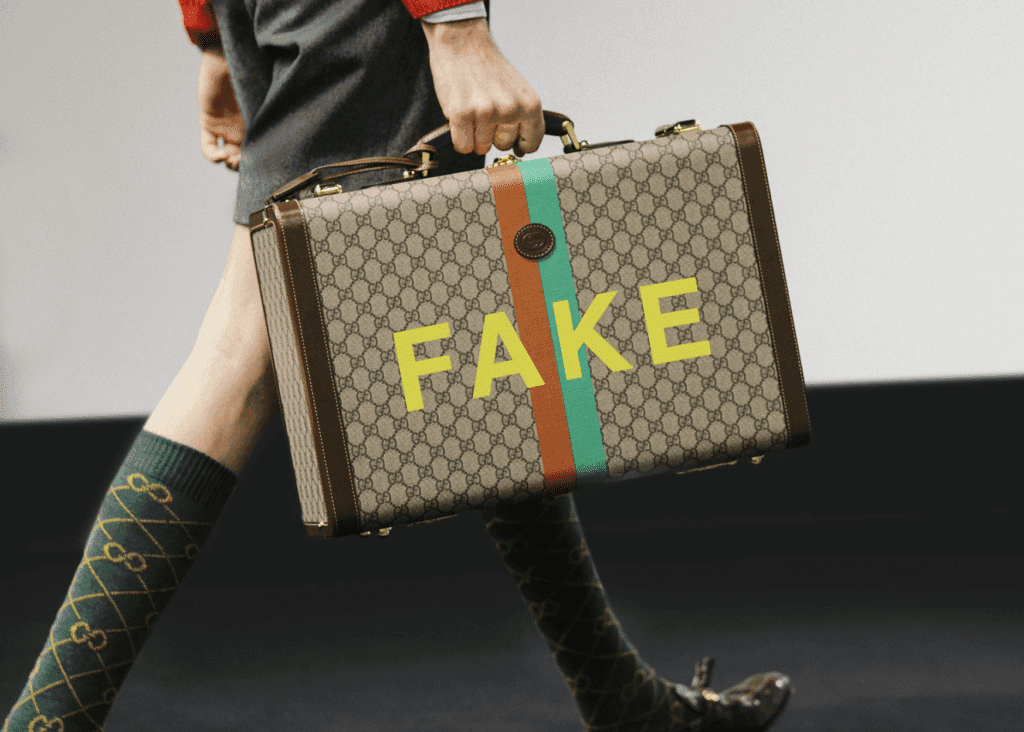
There was a time, not so long ago, when admitting you bought a "knock-off" was done in whispers. In the early 2000s, luxury was defined by the logo on your handbag or the hood ornament on your car. If you couldn’t afford the brand, you were out of the club.
Fast forward to March 2026, and the script has been completely flipped. We are living in the golden age of "Dupe Wealth." In today’s social landscape, the biggest "flex" isn't showing off a $5,000 watch; it’s bragging to your friends about the $150 version that looks, feels, and performs exactly the same.
Dupe Wealth isn't about being "fake." It’s a sophisticated financial movement centered on value engineering your life. It’s the realization that in a world of hyper-inflated brand premiums, the "luxury" experience has been decoupled from the luxury price tag.
The Psychology: From "Status" to "Savvy"
Why is this happening now? Two major shifts have occurred. First, the Information Age has peaked. With a few taps on a smartphone, the average consumer can trace the supply chain of a designer t-shirt and realize it comes from the same factory as a mid-range alternative. The "illusion" of the luxury markup has dissolved.
Second, for Gen Z and Millennials, the definition of wealth has changed. In 2026, wealth is defined by freedom and experiences, not heavy possessions. If "Duping" your wardrobe saves you $10,000 a year, that’s $10,000 that goes into your travel fund or your retirement portfolio. Being "savvy" is the new being "rich."
The Three Pillars of Dupe Wealth
1. Destination Duping: The New Way to Travel
In 2026, "Destination Dupes" have taken over the travel industry. Instead of fighting the crowds and paying $800 a night in Santorini, savvy travelers are heading to Ksamil, Albania, which offers the same turquoise waters and white-stone architecture for a fraction of the cost.
Instead of Aspen, they are skiing in Bansko, Bulgaria. The "Dupe" traveler gets the same Instagram-worthy views, the same high-end dining, and the same sense of adventure, but they return home with their savings account intact. It’s about seeking the vibe, not the postcode.
2. The "Quiet Luxury" Aesthetic
The fashion world has moved toward "Quiet Luxury"—unbranded, high-quality basics. This has been a godsend for the Dupe Wealth movement. When the trend is a perfectly cut beige trench coat rather than a giant gold logo, it is much easier to "Dupe" the look.
Retailers have mastered the art of high-quality fabrics like Tencel, heavy cotton, and vegan leathers that mimic high-end counterparts so closely that even experts struggle to tell them apart. Living "High on a Budget" in 2026 means building a capsule wardrobe that looks like it belongs on a yacht in Monaco, while actually being sourced from high-street gems and ethical start-ups.
3. Tech and Wellness Dupes
The movement has even hit the wellness and tech sectors. In 2026, the market is flooded with high-performance skincare "dupes" that use the exact same active concentrations of Vitamin C and Hyaluronic Acid as the $300 serums. In tech, the rise of high-spec "white label" headphones and smartwatches means you can get 95% of the features of a flagship device for 30% of the cost.
The "Wealth" in Dupe Wealth: The Financial Math
The real magic of this movement isn't just looking good; it's the compounding effect on your net worth. Let’s look at the "Dupe Math":
- Designer Handbag: $3,500 vs. High-Quality Dupe: $250. Savings: $3,250.
- Five-Star Paris Hotel: $1,200/night vs. Boutique "Dupe" Hotel: $250/night. Savings (4 nights): $3,800.
- Luxury Gym Membership: $300/mo vs. High-End "Dupe" Home Setup: $50/mo. Savings (yearly): $3,000.
By choosing the "Dupe" version of a luxury life, an individual can easily save $10,000 to $20,000 a year without feeling like they are "depriving" themselves. If that money is funneled into an index fund or private credit (as we discussed in our previous blog), that "Dupe Wealth" becomes Actual Wealth over a decade.
Is There a Downside? The Ethics of the Dupe
We have to distinguish between a "Dupe" and a "Counterfeit."
- A Counterfeit is an illegal copy that uses a brand's trademark to deceive.
- A Dupe is a legal alternative that takes inspiration from the aesthetic or functionality of a high-end product but sells under its own name.
The Dupe Wealth movement is firmly in the legal category. However, critics argue that it promotes "Fast Fashion" and disposable culture. To counter this, the 2026 version of Dupe Wealth focuses on Longevity. The goal isn't to buy 50 cheap things; it's to buy 5 "dupes" that are built so well they last for years.
The Status Symbol of the Future
In 2026, the social hierarchy has shifted. If you walk into a dinner party wearing a $10,000 outfit, people might think you’re successful. But if you walk in wearing a $200 outfit that looks like $10,000, and you can explain exactly how you found it, people think you’re brilliant.
Intelligence is the new luxury. Knowing where to find the best materials, the best hidden-gem hotels, and the best-performing skincare is a form of social capital that money can't buy.
The Bottom Line
"Dupe" Wealth is more than a trend; it's a survival mechanism for a world with high inflation and high social pressure. It allows you to participate in the "Good Life" while maintaining your financial integrity. It’s a middle finger to the marketing machines that tell us we aren't enough without a specific logo.
In 2026, we’ve realized that the "High Life" is a feeling, not a price tag. And once you learn how to Dupe the lifestyle, you’ll find you have plenty of money left over to build the real thing.