
The "Biometric UPI" Security Standard: Why 2026 is the Year We Say Goodbye to PINs
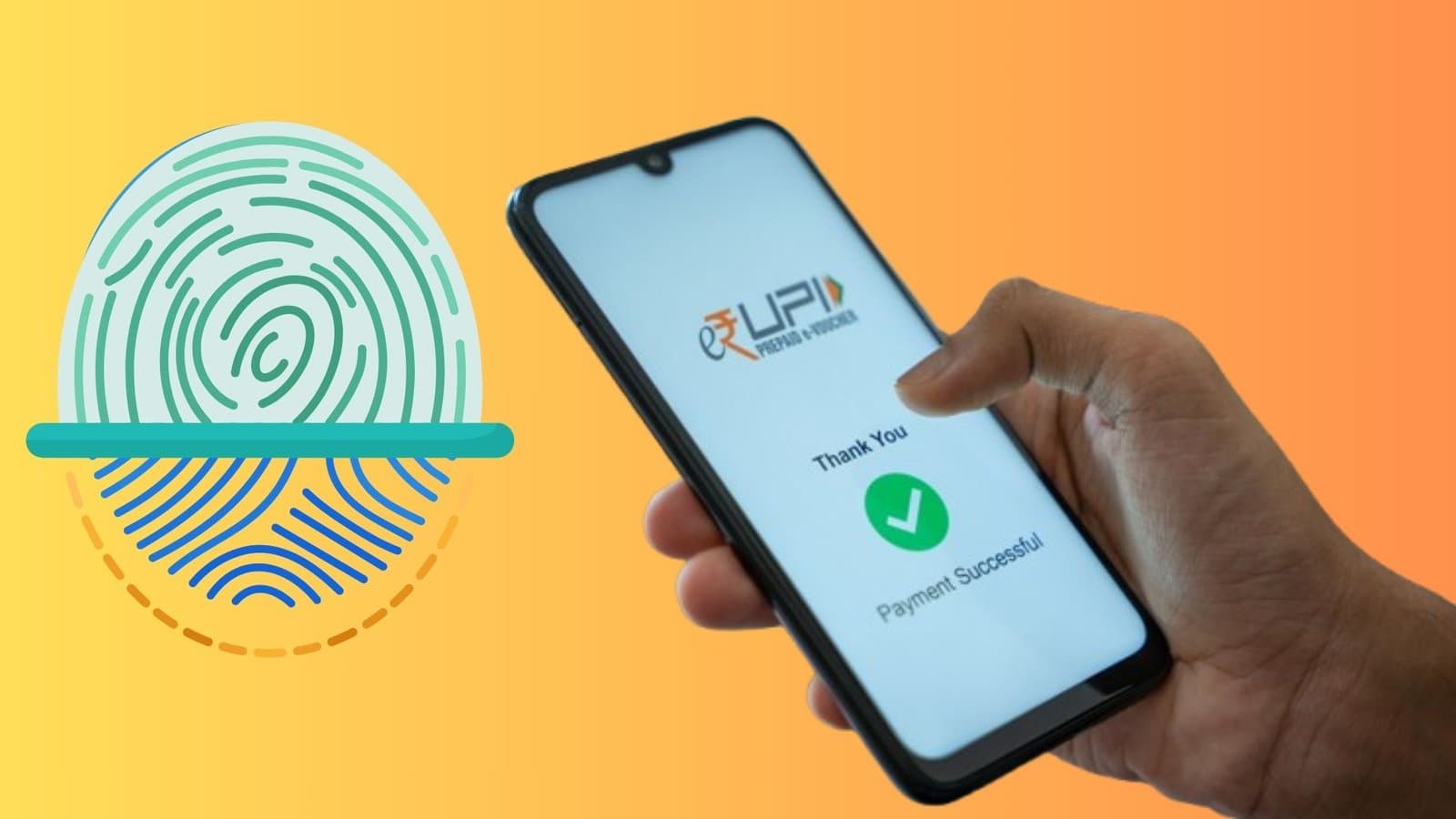
The "Memory" Tax: Why PINs are Failing Us
Think about how many times a day you type in a four or six-digit number to buy everything from a cup of tea to a high-end smartphone. Now, think about how easy it is for someone—a shoulder surfer at a busy checkout or a sophisticated phishing bot—to steal that number.
For years, the UPI PIN was the golden key to India’s digital economy. But in April 2026, we are witnessing a fundamental shift in how we "prove" who we are to our banks. The Reserve Bank of India (RBI) and the National Payments Corporation of India (NPCI) have recognized a growing truth: What you know (a PIN) is no longer as secure as what you are (your biometrics).
Welcome to the year of Biometric UPI. It’s faster, it’s unforgeable, and it’s finally becoming the standard for every Indian smartphone user.
The April 1st Mandate: The Death of the "OTP-Only" Era
The big news for 2026 is the implementation of the "Authentication Mechanisms for Digital Payment Transactions Directions, 2025." Under these new rules, the traditional "One-Time Password" (OTP) is no longer considered a sufficient second factor for many transactions.
Why? Because fraudsters have become experts at SIM-swapping and remote-access scams. If a hacker can mirror your screen or steal your SIM, they have your OTP. But they cannot steal your thumbprint or your retina scan.
As a result, major UPI apps like Google Pay, PhonePe, and Paytm have transitioned to an "Opt-In" Biometric Standard. You can now choose to replace—or supplement—your PIN with a simple biometric scan. For transactions up to ₹5,000, your fingerprint is often all you need to authorize a payment instantly.
How "Fingerprint-to-Pay" Actually Works
One of the biggest concerns users have in 2026 is privacy: "Does the government have my fingerprint now?"
The answer is a resounding No. The Biometric UPI standard uses On-Device Authentication. Here’s the human-friendly breakdown:
- Encryption: When you scan your finger, the app doesn't see your actual "image." It sees a complex mathematical code (a hash).
- Local Storage: This code is stored in your phone's "Secure Enclave"—a physical chip that is isolated from the rest of the phone's software and internet.
- The Handshake: When you pay, the UPI app asks the Secure Enclave: "Is this the right person?" The chip says "Yes" or "No." No biometric data ever leaves your device or travels to a server.
5 Reasons Why 2026 is the Year to Switch
- Zero Phishing Risk: A scammer can call you and trick you into revealing a PIN. They cannot trick you into "sending" your fingerprint over the phone.
- Speed at Checkout: No more fumbling to remember which PIN belongs to which bank account while a line forms behind you. Touch, pay, and go.
- Senior Citizen Friendly: For many elderly users, remembering complex digits or navigating small keyboards is a barrier. Biometrics make digital payments inclusive.
- ATM Evolution: In 2026, we are seeing the rise of UPI-Biometric ATMs. You can withdraw cash by simply scanning a QR code and touching the fingerprint sensor on your phone—no physical card or PIN required.
- Risk-Based Security: The new systems are smart. If you’re at your usual grocery store, a fingerprint is enough. If you’re suddenly trying to send ₹1 Lakh from a new city, the system will trigger a "Step-Up" authentication, requiring both a scan and a PIN.
How MadeMoneyToday (www.mademoneytoday.com) Helps You Stay Secure
The transition to a biometric world is exciting, but it brings new questions about device security and digital hygiene. At MadeMoneyToday, we are committed to making sure your "Digital Vault" remains impenetrable.
Here is how MadeMoneyToday.com guides your move to Biometric UPI:
- The "Device-Safety" Audit: Not all fingerprint sensors are created equal. We provide updated lists of smartphones with Ultrasonic vs. Optical sensors, explaining which ones meet the 2026 high-security standards for financial transactions.
- Opt-In Tutorials: Setting up biometrics can be buried in complex app settings. Our step-by-step video guides on www.mademoneytoday.com show you exactly how to enable these features on the latest versions of your favorite UPI apps.
- The "Cyber-Hygiene" Checklist: We teach you how to set up "Remote Wipe" features so that if your phone is lost, your biometric-linked accounts are locked instantly.
- Fraud Recovery Support: In the rare event of a technical glitch or a "forced" transaction, we provide the latest NPCI-approved dispute resolution templates to help you get your money back within the 2026 regulatory timelines.
The "Opt-In" Revolution: Taking Control of Your Data
In 2026, "Opt-In" is the buzzword. The beauty of the Biometric UPI standard is that it isn't forced upon you. It is a tool for those who value both speed and safety. By opting in, you are effectively telling the banking system: "Only I, in my physical form, can move this money."
It is the ultimate "Tax-Smart" move for your personal security. By reducing the chances of fraud, you're not just protecting your balance; you're protecting your peace of mind.
Conclusion: Your Body is Your Password
The year 2026 will be remembered as the moment India moved "Beyond the PIN." We are entering an era where our digital wallets are as unique as our DNA. The technology is here, the regulations are in place, and the benefits are undeniable.
Don't wait for a security breach to upgrade your habits. The "April 1st Reset" isn't just about taxes—it's about upgrading your digital life.
Visit MadeMoneyToday today to read our "2026 Biometric Security Playbook" and ensure that the only person who can access your hard-earned money is you.
MadeMoneyToday Expert Tip: In the 2026 UPI ecosystem, 'Device Binding' is just as important as your fingerprint. If you switch to a new phone, your biometric tokens won't carry over automatically. Check our 'New Phone Migration Guide' to avoid getting locked out of your bank account for the mandatory 24-hour cooling-off period!