
The ₹94 Milestone: Decoding the Surge of the US Dollar and Its Ripple Effects on India
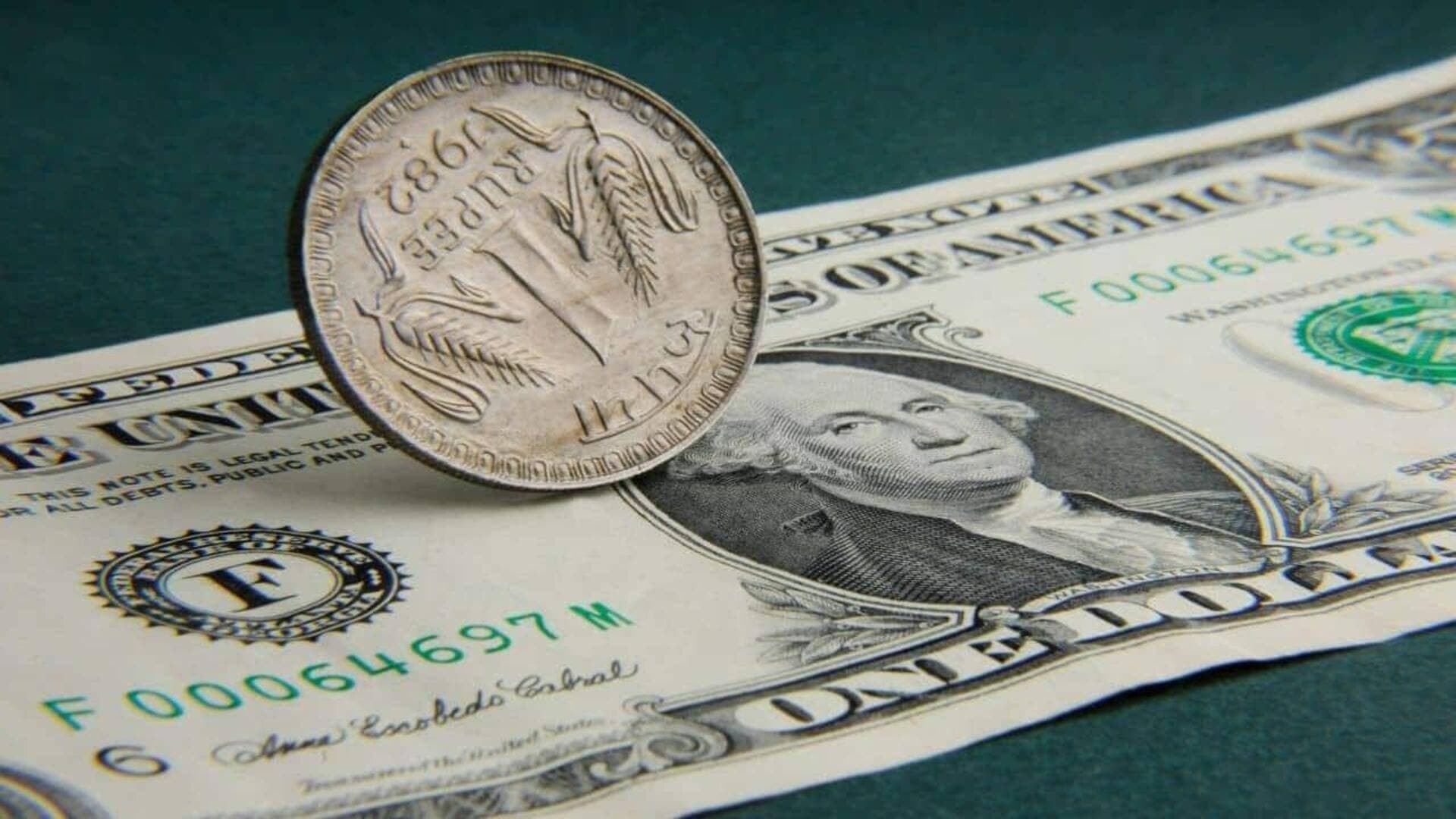
It finally happened. On a Monday morning in late March 2026, screens across Dalal Street and kitchen tables across India flashed a number many had hoped to avoid: 1 USD = ₹94.
For the average citizen, it’s a headline that signals more expensive iPhones or costlier petrol. For the economist, it’s a symptom of a shifting global tectonic plate. As the Rupee slides to this historic low, we need to move past the panic and understand the "why," the "who wins," and the "what next."
Why is the Dollar Climbing So High?
Currencies don't move in a vacuum. The surge to ₹94 is a result of a "Perfect Storm" involving three main ingredients:
- Geopolitical Friction: The ongoing conflict in the Middle East has entered its second month, causing a massive spike in Brent Crude prices (hovering near $120/barrel). Since India imports nearly 85% of its oil, we have to sell more Rupees to buy the Dollars needed for that oil, naturally weakening our currency.
- The "Safe Haven" Effect: In times of war and uncertainty, global investors act like a herd. They pull their money out of "risky" emerging markets like India and park it in the ultimate safety net: the US Dollar.
- Interest Rate Divergence: While India has been cautious, the US Federal Reserve’s "higher for longer" stance on interest rates has made the Dollar more attractive to yield-seeking investors.
The Winners: Who Cheers for a Weak Rupee?
It’s not all bad news. A weak Rupee is essentially a "sale" on Indian goods for the rest of the world.
- IT & Pharma Giants: Companies like TCS, Infosys, and Sun Pharma earn most of their revenue in Dollars but pay their employees in Rupees. When the Dollar hits ₹94, their profit margins get an automatic "exchange rate boost."
- Textile & Handicraft Exporters: Small and medium exporters in Tirupur or Jaipur find their products more competitive in global markets compared to countries with stronger currencies.
- NRIs Sending Money Home: For the Indian diaspora, ₹94 is a dream. Their $1,000 remittance now translates to ₹94,000—providing significant extra support for their families back home.
The Losers: Where the Pinch is Felt
The flip side of the coin is Imported Inflation.
- The Common Man: Higher oil prices eventually lead to higher transport costs, which make your tomatoes, milk, and online deliveries more expensive. This is inflation that we didn't create, but we have to pay for.
- Aviation & Paint Industry: Airlines pay for fuel and aircraft leases in Dollars. Similarly, paint companies import raw materials like titanium dioxide. Expect ticket prices and home renovation costs to creep up.
- Students Abroad: If you or your child is studying in the US, a semester fee of $20,000 just jumped from roughly ₹17.6 Lakh (at ₹88) to ₹18.8 Lakh (at ₹94). That’s a ₹1.2 Lakh "hidden tax" on education.
How is the RBI Reacting?
The Reserve Bank of India (RBI) isn't sitting idle. They have been strategically using India's massive forex reserves—which stood at over $700 billion earlier this year—to prevent a "disorderly fall."
The goal of the RBI is typically stability, not a specific number. They don't mind the Rupee reaching ₹94 as long as it happens gradually, giving the economy time to adjust. A sudden crash to ₹100 would be a crisis; a slow glide to ₹94 is a manageable challenge.
The Bottom Line: Should You Worry?
The "94" mark is psychologically significant, but the Indian economy in 2026 is far more resilient than it was a decade ago. With strong services exports and a growing manufacturing base, the country is better equipped to handle currency volatility.
For investors, the strategy is simple: Diversify. Look at sectors that benefit from a strong Dollar (like IT) to balance out the sectors that suffer (like Consumer Goods). For the rest of us, it’s a reminder that in a globalized world, a conflict thousands of miles away can eventually show up on our monthly grocery bill.