
The $100 Barrel: How the 2026 Energy Crisis is Redefining Global Economies
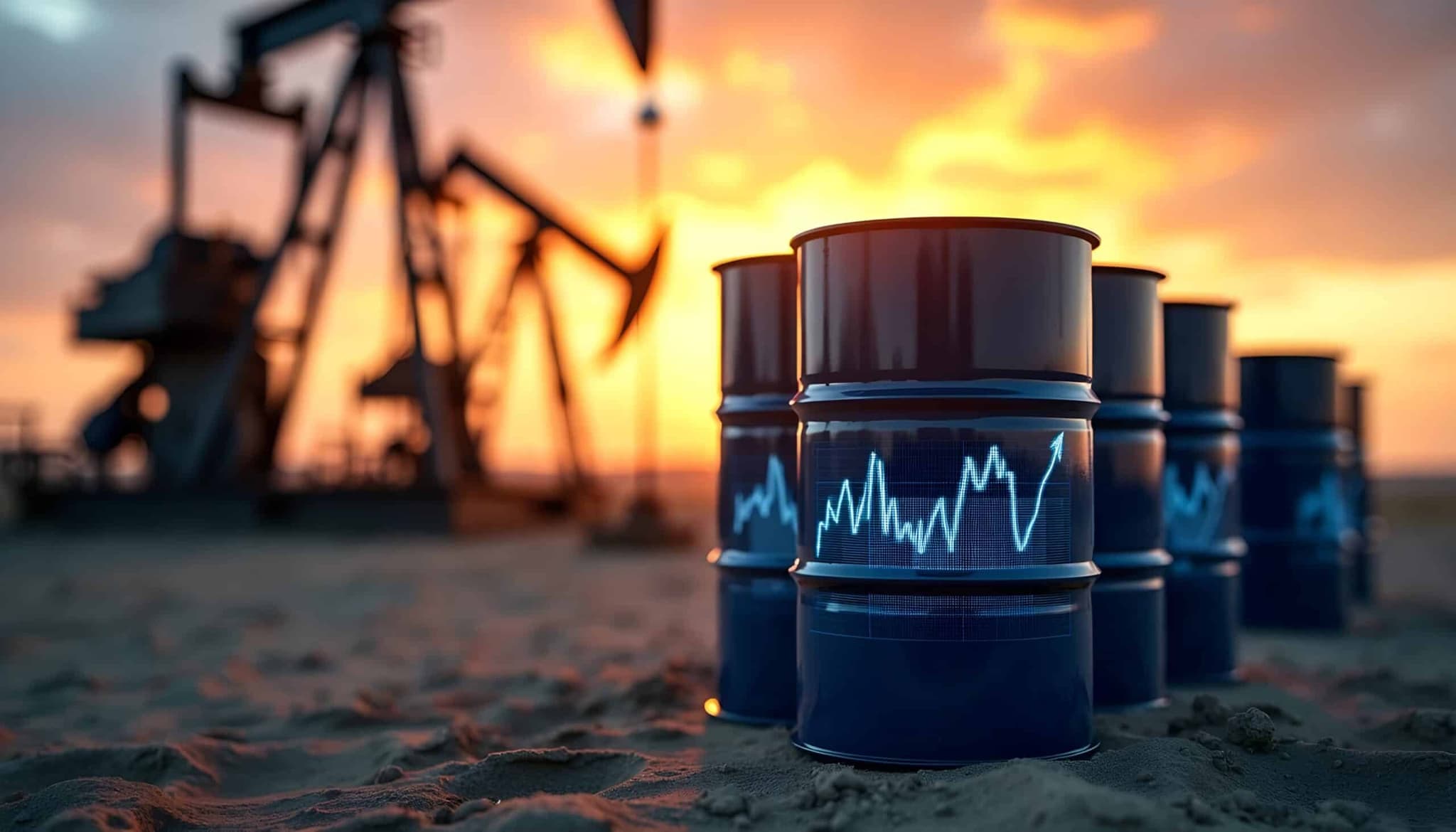
If you’ve pulled up to a petrol pump or checked your utility bill lately, you’ve likely felt a pang of "sticker shock." As of late March 2026, the global energy market is effectively in a state of emergency. What began as localized geopolitical friction has boiled over into a full-scale energy crisis that many historians are already comparing to the oil shocks of the 1970s.
Today, the benchmark Brent Crude is stubbornly trading near $112 per barrel, while West Texas Intermediate (WTI) has shattered the $100 ceiling. But these aren't just abstract numbers on a trader’s glowing green screen in London or New York. These figures represent a seismic shift in how we live, travel, and even eat.
The Epicenter of the Crisis
To understand why the world is suddenly scrambling for every drop of oil, we have to look at the map. The ongoing conflict in the Middle East has moved from a diplomatic standoff to an active disruption of the world’s most vital energy arteries. Specifically, the tension surrounding the Strait of Hormuz—a narrow stretch of water through which roughly 20% of the world’s oil flows—has reached a breaking point.
For the first time in decades, tanker traffic has slowed to a crawl. Insurance premiums for ships have skyrocketed, and some major logistics firms have stopped sending vessels through the region altogether. The result? A massive "supply hole" that the world wasn't prepared for. When twenty million barrels of oil per day are suddenly at risk, the market reacts with panic, and that panic is what we are seeing in the price today.
The Invisible Tax on Everything
High oil prices are often described by economists as an "invisible tax" on the consumer. Unlike a sales tax that you see clearly on a receipt, the "oil tax" hides inside the cost of everything else.
Think about your morning grocery run. The milk in your fridge was transported in a refrigerated truck that runs on diesel. The plastic packaging around your bread was manufactured using petroleum-based chemicals. The fertilizers used by the farmer to grow your vegetables were produced using natural gas and oil byproducts.
When Brent Crude hits $112, the trucking company raises its rates. The manufacturer raises their wholesale price. Eventually, the grocery store raises the price of that gallon of milk. This is Imported Inflation, and it is currently sweeping across nations from India to Germany. It’s not just "gas money"—it’s the fundamental cost of keeping a modern society moving.
A World of Different Realities
While the surge is global, the pain is being distributed unevenly. In the United States, the national average for gas has surged past $3.90 per gallon, sparking intense political debate and forcing many families to rethink their summer travel plans. In Europe, where taxes on fuel are already high, the situation is even more dire. Countries like Germany and Ireland are seeing prices at the pump reach levels that were unthinkable just two years ago, leading to calls for emergency subsidies and "car-free" Sundays to conserve fuel.
In India, the situation is a delicate balancing act. The government has used its strategic reserves and long-term contracts to cushion the immediate blow, but even the strongest reserves can’t hold back a global tide forever. As the Rupee slides against a dominant Dollar, the cost of importing that $112 oil becomes even more expensive in domestic terms. We are seeing a slow but steady creep in transport costs, which is putting pressure on the middle class and the rural poor alike.
The Human Impact: Beyond the Data
Beyond the spreadsheets and the GDP forecasts, there is a very human story unfolding. In 2026, we are seeing the rise of "Energy Poverty" in developed nations. Families are being forced to choose between heating their homes (or cooling them, depending on the hemisphere) and other essentials.
We are also seeing a forced change in behavior. Public transit ridership is at an all-time high in many major cities as people abandon their cars to save on fuel. The "Work From Home" movement, which had started to fade as companies called workers back to the office, is seeing a massive resurgence simply because commuting has become too expensive for the average employee.
The Silver Lining? A Forced Transition
If there is any light at the end of this tunnel, it might be the accelerated shift toward renewable energy. Historically, high oil prices are the greatest catalyst for innovation. When oil is cheap, there is little incentive to change. When oil is $112, every solar panel, wind turbine, and electric vehicle (EV) becomes a better investment.
However, the transition isn't instantaneous. Building a new power grid or replacing a billion internal combustion engines takes years, if not decades. In the meantime, the world is stuck in a "bridge period" where we are still heavily dependent on fossil fuels but find them increasingly unaffordable and politically volatile.
Looking Ahead: What Happens Next?
As we navigate the rest of March 2026, the question on everyone’s mind is: Where is the ceiling? Some analysts at major investment banks are warning of a $130 or even $150 barrel if the blockade in the Middle East isn't resolved through diplomacy within the next few weeks. On the other hand, if a peace deal is reached, we could see a "relief rally" where prices drop back toward the $80 range almost overnight.
The reality for the average person is that we are in a period of extreme volatility. The "Golden Era" of cheap energy that defined much of the early 21st century feels like it’s slipping away, replaced by a new era where energy security is the top priority for every nation on Earth.
For now, the best we can do is stay informed, prioritize efficiency, and recognize that the digits on the gas pump are a reflection of a much larger, more complex struggle for global stability. We are all living through a historic energy reset—and it’s going to be a bumpy ride.