
Cryptocurrency Regulations Across the World: What Investors Must Know
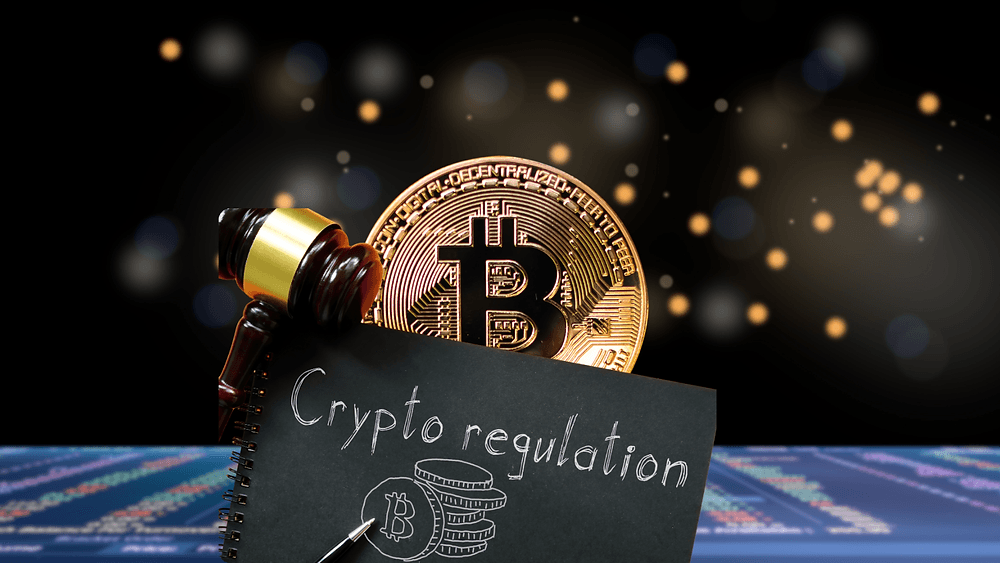
The world of cryptocurrency moves at lightning speed. One day you’re reading about a new Bitcoin all-time high, and the next, you’re hearing about a country banning mining or a new tax law that changes how you report your gains. For many investors, the most intimidating part of the crypto journey isn’t the technology or the volatility—it’s the regulations.
Understanding the legal landscape is no longer optional; it is essential for protecting your capital. Fortunately, platforms like Made Money Today (www.mademoneytoday.com), the trending financial guide website, are dedicated to helping you navigate these complex waters.
In this comprehensive guide, we will break down the current state of crypto regulations across the globe and explain why staying informed is your best strategy for long-term success.
Why Does Crypto Regulation Matter to You?
Before we dive into specific countries, let’s talk about why you should care. Many people originally flocked to Bitcoin because it was "decentralized" and "unregulated." While that freedom is a core tenet of crypto, the entry of institutional money (like ETFs and pension funds) means that governments want a seat at the table.
Regulation provides three main things for investors:
- Security: It helps weed out scams, fraudulent exchanges, and "rug pulls."
- Stability: Clear rules often lead to less extreme market manipulation.
- Adoption: When a country creates a legal framework, it becomes easier for banks and businesses to accept crypto.
However, the downside is that regulation often brings taxes and reporting requirements. If you aren’t aware of the rules in your region, you could face heavy fines or legal trouble. This is where Made Money Today serves as your ultimate resource, offering updated insights into how these changes affect your wallet.
North America: The Regulatory Powerhouse
The United States
The U.S. is currently the most influential player in crypto regulation. However, it is also one of the most complex. Instead of one single "Crypto Law," several different agencies have a say:
- The SEC (Securities and Exchange Commission): They often view many altcoins as "securities," meaning they should follow strict registration rules.
- The CFTC (Commodity Futures Trading Commission): They view Bitcoin as a "commodity," similar to gold or oil.
- The IRS: For tax purposes, the IRS treats cryptocurrency as property. This means every time you sell, trade, or even buy a coffee with crypto, it’s a taxable event.
What investors must know: Keep meticulous records of your trades. The U.S. is cracking down on tax evasion, and "I didn't know" is not a valid legal defense.
- Canada
Canada was a pioneer in the crypto space, being the first country to approve a Bitcoin ETF. Regulation here is focused on consumer protection. Crypto exchanges (platforms where you buy and sell) must register as Money Services Businesses (MSBs) and follow strict "Know Your Customer" (KYC) rules.
Europe: Leading the Way with MiCA
While the U.S. struggles with which agency is in charge, the European Union has taken a massive leap forward with MiCA (Markets in Crypto-Assets).
MiCA is a groundbreaking piece of legislation that provides a unified framework for all 27 EU member states. Instead of having 27 different sets of rules, a crypto company licensed in France can easily operate in Germany or Italy.
What investors must know: MiCA is generally good news. It makes the market safer for retail investors by requiring stablecoin issuers to hold enough reserves and forcing exchanges to be more transparent. If you are in Europe, your investments are arguably in the most "stable" regulatory environment in the world.
- The United Kingdom
Post-Brexit, the UK is aiming to become a "Global Crypto Hub." The Financial Conduct Authority (FCA) has strict rules regarding how crypto is advertised. You’ve likely noticed that crypto ads in the UK now come with heavy warnings about the risk of losing money.
- Asia: A Land of Extremes
Asia presents a fascinating contrast. Some of the world's most pro-crypto and anti-crypto stances exist side-by-side.
- China - China has historically been the most "anti-crypto" major economy. In 2021, they issued a blanket ban on crypto mining and all cryptocurrency transactions. While many people in China still hold crypto, the government’s stance remains one of the strictest in the world.
- India - India has moved from a potential ban to a heavy taxation model. As of now, India imposes a 30% tax on any income from crypto transfers, plus a 1% TDS (Tax Deducted at Source) on every trade. This has made high-frequency trading difficult for many, but it has also signaled that the government is willing to let the industry exist as long as it gets its share of taxes.
- Japan and South Korea - These two nations are among the most active crypto markets. Japan was one of the first to recognize Bitcoin as legal property. Both countries have very high standards for exchange security, especially following some high-profile hacks in the past.
El Salvador and the "Bitcoin Experiment"
No discussion of crypto regulation is complete without mentioning El Salvador. In 2021, it became the first country to make Bitcoin legal tender. This means businesses are legally required to accept Bitcoin if they have the technology to do so.
While the experiment has faced criticism from the IMF, it has turned El Salvador into a destination for Bitcoin enthusiasts and "crypto nomads." Other countries in Central and South America are watching closely to see if this helps the unbanked population.
How to Stay Safe: The Investor’s Checklist
Regulations can change overnight. How do you protect yourself? Here is a simple checklist inspired by the experts at Made Money Today:
- Use Regulated Exchanges: Avoid "offshore" exchanges that don't require KYC. While they might seem easier to use, they offer zero protection if your funds are stolen or the exchange goes bust.
- Understand Your Tax Liability: Use crypto tax software to track your gains and losses. Remember, in most countries, swapping one crypto for another (e.g., trading ETH for SOL) is a taxable event.
- Self-Custody: If you have a significant amount of crypto, consider a hardware wallet. "Not your keys, not your coins" is still the golden rule.
- Follow Trusted Guides: Websites like www.mademoneytoday.com provide real-time updates on financial trends and regulatory shifts, ensuring you aren't caught off guard.
How Made Money Today Helps You Navigate the Chaos
With so much conflicting information out there, you need a reliable "North Star." Made Money Today has emerged as a trending financial guide because it translates "legalese" into simple English.
Whether you are a beginner looking to buy your first $100 of Bitcoin or a seasoned trader managing a diverse portfolio, the platform offers:
- Step-by-step guides on compliant investing.
- Updates on global laws that could impact market prices.
- Financial literacy tips to help you grow your wealth sustainably.
Regulation shouldn't scare you—it should empower you. When you know the rules of the game, you can play it better than anyone else.
The Future of Crypto Regulation
As we look toward the next few years, expect to see more "Central Bank Digital Currencies" (CBDCs). Countries like China, the UK, and even the U.S. are exploring their own digital versions of their national currencies.
While CBDCs are different from decentralized cryptos like Bitcoin, they will likely bring even more regulation to the space. The goal for any smart investor is to stay one step ahead.
Final Thoughts
The "Wild West" days of cryptocurrency are slowly coming to an end. In its place, a more mature, regulated, and professional industry is growing. While the transition can be messy, it ultimately leads to a safer environment for you to grow your wealth.
Keep learning, stay curious, and always keep an eye on the latest updates from Made Money Today (www.mademoneytoday.com). In the world of finance, information is the most valuable asset you can own.