CBDC vs. Stablecoins: The 2026 "Parallel Usage" Model for Global Digital Payments
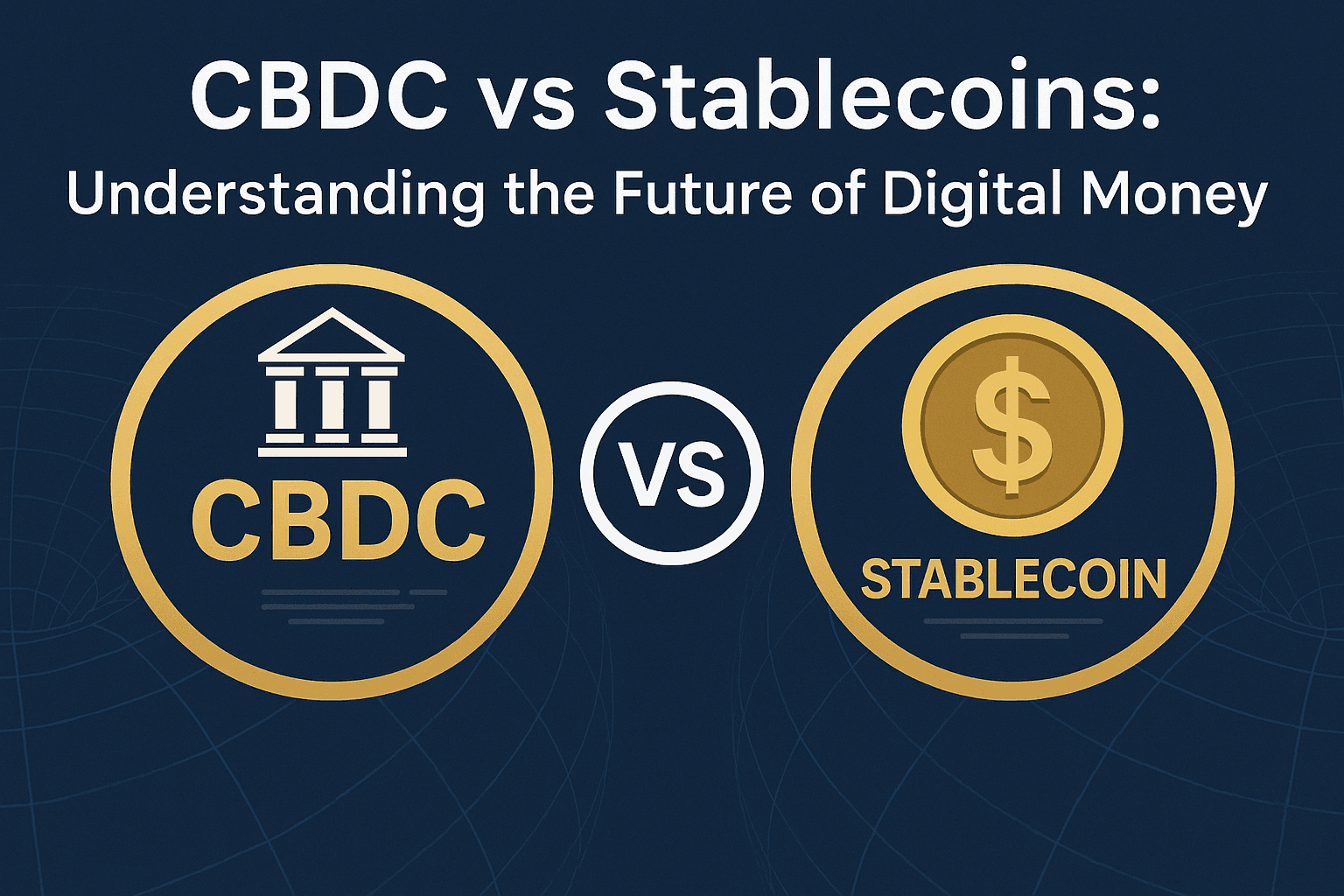
The Great Currency Convergence of 2026
If you look back to 2023, the financial headlines were dominated by a "war" between two different versions of digital money. On one side, we had Central Bank Digital Currencies (CBDCs)—the government-backed, digital versions of national cash. On the other, we had Stablecoins—privately issued tokens pegged to the dollar or euro, living on public blockchains.
Fast forward to April 2026, and the battlefield has turned into a bridge. We have entered the era of "Parallel Usage." The world has realized that CBDCs and Stablecoins aren't competitors; they are coworkers. One provides the "Sovereign Trust" needed for national stability, while the other provides the "Programmable Innovation" needed for global, borderless trade.
The "Parallel Usage" Model: Who Does What?
In 2026, your digital wallet likely holds both. But you use them for very different things. This "Parallel Usage" model is the backbone of the new global economy.
1. CBDCs: The National Infrastructure
Governments, including India with its e-Rupee (Digital Rupee), have scaled CBDCs to manage internal economies. In 2026, CBDCs are the gold standard for:
- Direct Benefit Transfers (DBT): Governments use the e-Rupee to send subsidies directly to citizens' digital wallets, ensuring zero leakage.
- Offline Payments: The RBI’s 2026 rollout of "Offline CBDC" allows people in remote areas of North India to pay via phone even without an internet connection.
- Monetary Policy: CBDCs give central banks real-time data on how money is moving, allowing for more precise control over inflation.
2. Stablecoins: The Global Connective Tissue
While CBDCs rule the domestic roost, regulated Stablecoins like USDC and the MiCA-compliant EURC have become the "internet's currency." Following the US GENIUS Act of 2025, which provided a strict legal framework for private issuers, Stablecoins are now used for:
- Cross-Border Trade: A small business in Delhi can pay a supplier in Vietnam in minutes using a dollar-pegged stablecoin, bypassing the 3-5 day wait time of traditional SWIFT banking.
- Programmable Finance (DeFi): Businesses use "Smart Contracts" to automate payments. For example, an export payment is only released the second the shipping sensors confirm a container has been loaded.
- 24/7 Liquidity: Unlike banks, the stablecoin market never closes.
The "Trust" vs. "Speed" Balance
In the 2026 economy, Trust is the currency of the State (CBDC), and Speed is the currency of the Market (Stablecoins).
A CBDC is a direct liability of the Central Bank. If you hold a Digital Rupee, you have the ultimate guarantee of the Indian government. A Stablecoin, however, carries "Issuer Risk." Even with the 2026 "1:1 Reserve" audit mandates, you are still trusting a private entity like Circle or Tether.
However, because Stablecoins live on public blockchains (like Ethereum or Solana), they can "talk" to thousands of apps and services that a closed, government CBDC cannot. This interoperability is why they remain the preferred choice for the Digital Nomad and the Global Merchant.
India’s 2026 Stance: Calibrated Engagement
India has taken a unique path in this parallel model. While the RBI remains cautious about private stablecoins replacing the Rupee (to avoid "dollarization"), it has enabled "Interoperable Gateways." In 2026, Indian fintechs are launching sandboxes where a business can receive a Stablecoin payment from a global client and have it instantly "swapped" into Digital Rupee within a regulated environment. This allows India to benefit from the speed of the global blockchain without losing control of its monetary sovereignty.
How MadeMoneyToday (www.mademoneytoday.com) Helps You Navigate
The world of digital assets moves at the speed of light. One day it's a new regulation; the next, it's a new "interest-bearing" CBDC wallet. At MadeMoneyToday, we are your filter for the noise.
Here is how MadeMoneyToday.com guides your digital currency journey:
- The "e-Rupee" Setup Guide: Still haven't downloaded your bank's CBDC wallet? We provide the most up-to-date, step-by-step tutorials for integrating the Digital Rupee into your daily spending.
- Stablecoin Safety Audits: Not all stablecoins are created equal in 2026. We track the reserve audits and "de-pegging" risks of the top 10 global stablecoins so you know where your business capital is safest.
- Cross-Border Savings Calculator: Our tool helps exporters compare the cost of a traditional bank wire vs. a Stablecoin-to-CBDC transfer. (Warning: The results might make you want to fire your bank!)
- Regulatory Alerts: When the RBI issues a new "Special Chapter" on stablecoin implications or the US updates its GENIUS Act requirements, our subscribers get a "Human-Language" summary within hours.
The "Hybrid" Wallet of the Future
In 2026, the question isn't "Should I use a CBDC or a Stablecoin?" It’s "Which one do I need for this specific transaction?"
For your taxes, your local grocery bills, and your government subsidies, you will use the CBDC. It’s safe, it’s official, and it’s free to use.
For your global investments, your freelance payments from overseas, and your automated business contracts, you will use Regulated Stablecoins. They are the high-speed rail of the internet economy.
Conclusion: Embracing the Parallel Path
The "Parallel Usage" model is a victory for the consumer. It has forced traditional banks to lower their fees and has forced crypto companies to become more transparent and regulated.
As we move through 2026, the friction of moving money is slowly disappearing. Whether it’s a government "slab" of digital cash or a private "token" of programmable value, your wealth is becoming more mobile, more secure, and more "Tax-Smart" than ever before.
Don't get left behind in the "Old Money" era. Join us at MadeMoneyToday and let’s master the new digital currency landscape together.
MadeMoneyToday Expert Tip: In 2026, watch out for 'Synthetic CBDCs.' These are private stablecoins that are 100% backed by central bank reserves. They offer the trust of a government currency with the programmability of a private token. They are the 'Goldilocks' of digital money—check our website for the 2026 Top Picks!